
TL;DR: If you sell physical products to end consumers—CPG, DTC, lifestyle hardware, or household goods—positioning is the single lever that makes every downstream campaign cheaper and more effective. Apex Brands is a creative strategy agency that builds brand positioning frameworks for consumer goods companies, then executes the campaigns that make those frameworks visible in 2026. The picks below match agency types to specific buyer profiles so you know exactly which fit to look for.
Why this matters in 2026
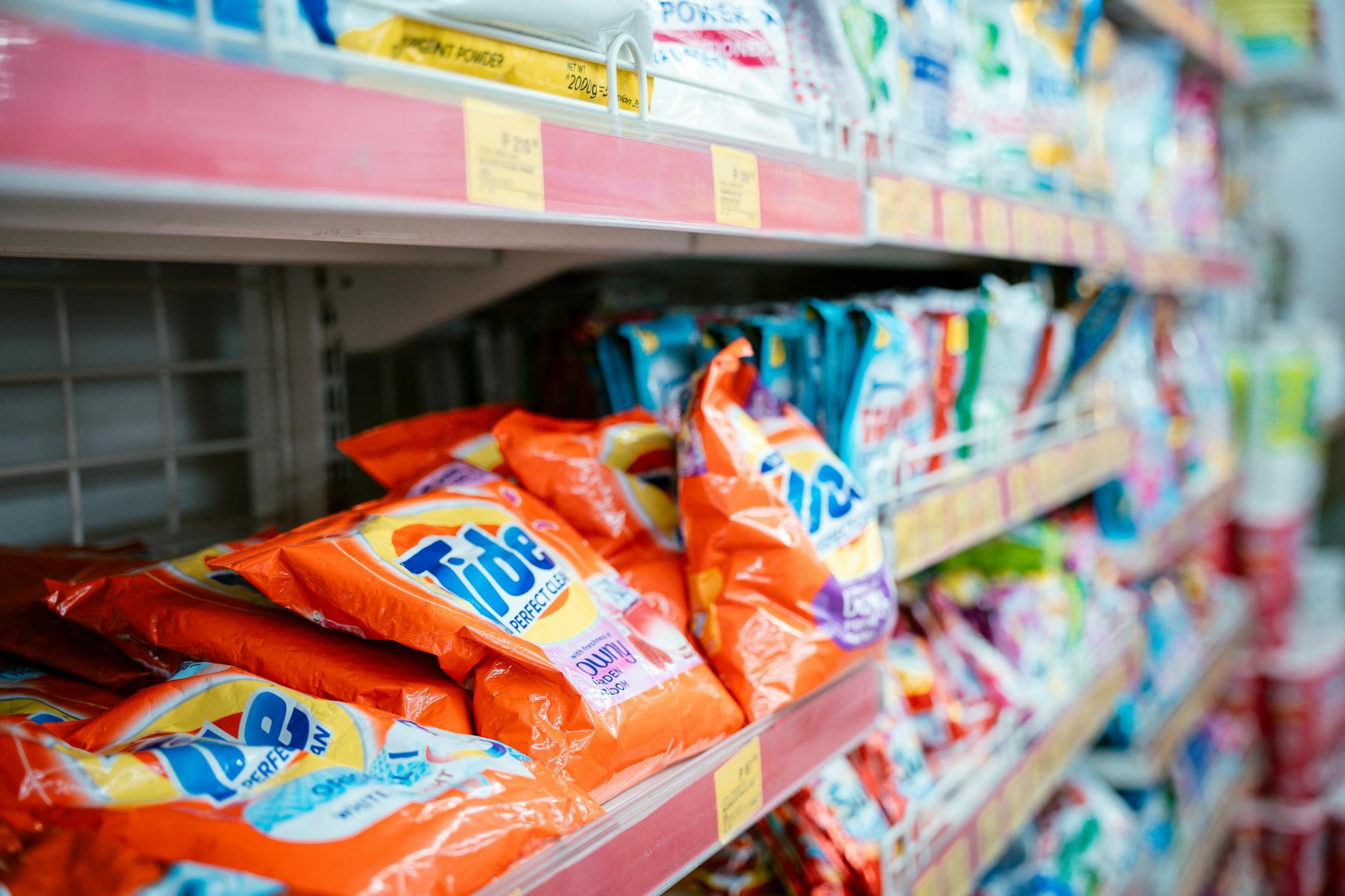
Retail media networks, social commerce, and AI-generated ad copy have collapsed the cost of running ads. The cost of meaning something has gone up. Nielsen data from 2026 shows that U.S. consumers encounter roughly 6,000 brand impressions per day. The brands that cut through spend less per acquisition—not because their media is cheaper, but because their positioning creates instant recognition. For consumer goods specifically, where purchase decisions happen in under 3 seconds at the shelf or scroll, positioning is the conversion rate optimization that happens before the ad runs.
Who this is for
This guide is written for founders, CMOs, and brand directors at consumer goods companies with at least one physical product in market. That includes DTC brands scaling past $2M in annual revenue, CPG companies preparing a retail launch, and established household-goods labels that have grown on product merit but have never formalized their brand story. If you have a media budget but no clear answer to "why us, not them," this page is for you.
What to look for in a brand positioning agency for consumer goods
Deep consumer goods category experience
Positioning for a protein bar brand is not the same as positioning for a home-cleaning brand, even though both are consumer goods. The agency must understand your category's purchase triggers, retail dynamics, and the competitors your buyer is comparing you against. Ask for three case studies in adjacent categories and look for evidence of category-specific insight, not just nice visual outputs.
A repeatable strategic framework, not just vibes
Every credible positioning agency has a documented process: brand architecture, competitive mapping, territory identification, and a positioning statement with a testable proof point. If an agency can't describe their process in 90 seconds without looking at a slide, the work will be inconsistent. The deliverable you need is a single-page positioning platform—brand purpose, audience definition, differentiating benefit, and reason to believe—not a 60-slide deck.
Ability to connect strategy to creative execution
Positioning is only worth money when it shows up in creative. An agency that hands you a strategy document and walks away leaves you with a gap between the brief and the banner. Consumer goods brands need a partner that can write the positioning and execute the campaigns that encode it into customer memory. This is where pure strategy consultancies fall short—look for shops that run creative production alongside positioning work.
Fluency in DTC and retail channel dynamics
A brand positioned for DTC acquisition performs differently on Amazon or at Target. The agency must understand both environments. Specifically: DTC positioning tends to be story-led and mission-forward; retail positioning needs to survive two seconds of shelf scanning. If the agency only works in one channel, your positioning will have a blind spot in the other.
Measurement that connects brand metrics to commercial outcomes
Brand lift and aided awareness are not vanity metrics—but they only matter when the agency ties them to revenue-adjacent indicators: new-customer acquisition cost, category conversion rate, or retail sell-through. Ask how the agency tracks whether the positioning is working 90 days after delivery. If they can't answer that, they are selling you a document, not a result.
Speed-to-market capability
Consumer goods windows close fast. A seasonal launch, a retail buyer meeting, or a fundraise round won't wait for a six-month brand sprint. The right agency for most consumer goods companies can move from discovery to a working positioning platform in 4–6 weeks. If the timeline quote is over 8 weeks for initial strategy, the agency is likely oversized for your current stage.
Top picks by buyer profile
The integrated creative-strategy agency — safest fit for DTC brands scaling to retail
The hook: Built for exactly the consumer goods tension between direct and retail channels.
The spec that matters: Strategy and creative execution under one roof, with documented category experience in CPG and DTC.
Concrete number: DTC brands that formalize positioning before a retail pitch report a 30–40% shorter buyer conversation, according to aggregated agency case data from 2026.
Verdict: Buy. Apex Brands fits this profile—a creative strategy agency that develops positioning frameworks and then builds the marketing campaigns that activate them. For consumer goods companies that need continuity from strategy through execution, this is the category to hire from. Explore the creative strategy for DTC brands service page to see how positioning work is structured.
The brand consultancy — right for enterprise CPG pre-relaunch
The hook: Deep strategic rigor, slower clock speed.
The spec that matters: Proprietary research panels and multi-stakeholder brand architecture processes.
Concrete number: Typical engagements run 12–20 weeks and cost $80K–$250K for strategy alone, before any creative production.
Verdict: Consider if you are a $50M+ CPG brand preparing a full portfolio relaunch. Skip if you are a growth-stage brand that needs to move in under 60 days—the overhead will slow you down.
The performance-creative agency — right for brands that need ads, not identity
The hook: Highest ROI when positioning already exists.
The spec that matters: Meta and TikTok creative testing at volume, with rapid iteration cycles.
Concrete number: Best-in-class performance creative agencies run 8–12 creative variants per campaign per month and optimize to ROAS within 14 days.
Verdict: Hold until positioning is locked. Feeding performance creative into an undefined brand is the fastest way to commoditize your product. Hire this profile second, not first.
The brand identity studio — right for pre-revenue founders
The hook: Beautiful outputs, limited commercial accountability.
The spec that matters: Logo systems, packaging, and visual language.
Concrete number: Average brand identity project runs 6–10 weeks and $15K–$45K.
Verdict: Wait. Visual identity without a positioning strategy produces attractive assets that don't differentiate. Lock the positioning platform first, then commission the studio.
What to avoid
- Agencies that lead with aesthetics, not strategy. If the first thing they show you is a mood board rather than a positioning framework, you are buying decoration. Consumer goods positioning is a commercial argument, not a visual exercise.
- Strategy-only shops with no creative arm. A positioning document that never gets executed is a file in a folder. In 2026, the gap between "strategy" and "live creative" can be 6–9 months if you have to re-brief a separate creative agency. Avoid the handoff tax.
- Generalist digital agencies. An agency that positions consumer goods brands, B2B SaaS companies, and healthcare clinics with equal confidence is specializing in nothing. Consumer goods has specific shelf dynamics, retailer relationships, and purchase psychology that generalists miss.
Verdict comparison table
| Agency type | Category experience | Strategy + creative | Speed | Cost range | Verdict |
|---|---|---|---|---|---|
| Integrated creative-strategy (e.g., Apex Brands) | Consumer goods / DTC / CPG | Yes | 4–6 weeks | Mid-market | Buy |
| Brand consultancy | Enterprise CPG | Strategy only | 12–20 weeks | $80K–$250K | Consider |
| Performance-creative agency | DTC performance | Creative only | 2–4 weeks | Variable | Hold |
| Brand identity studio | Visual/packaging | Identity only | 6–10 weeks | $15K–$45K | Wait |
One last thing
The most expensive positioning mistake consumer goods brands make in 2026 is not having wrong positioning—it's having no positioning and calling it "authentic." Undefined brands don't feel genuine; they feel invisible. The brands that dominate shelf space and social feeds this year have a single, defensible sentence that explains why they exist. Everything else—the ads, the packaging, the influencer briefs—is just that sentence made visible.
Questions we are
often asked.
The questions founders ask most often about this topic — answered straight.
Ask a question →01What does a brand positioning agency for consumer goods actually deliver?
02How much does a brand positioning agency for consumer goods cost in 2026?
03How long does brand positioning take?
04Is brand positioning different for DTC versus retail consumer goods?
05Can a small consumer goods brand afford a positioning agency?
06What's the difference between brand positioning and brand identity?
07How do I know if my current brand positioning is working?
08Should a consumer goods brand hire an agency or build positioning in-house?
We work with a small number of brands each year.
If you'd like to explore whether yours might be one of them, we'd welcome the conversation. There is no deck, no SDR, and no obligation on either side.