
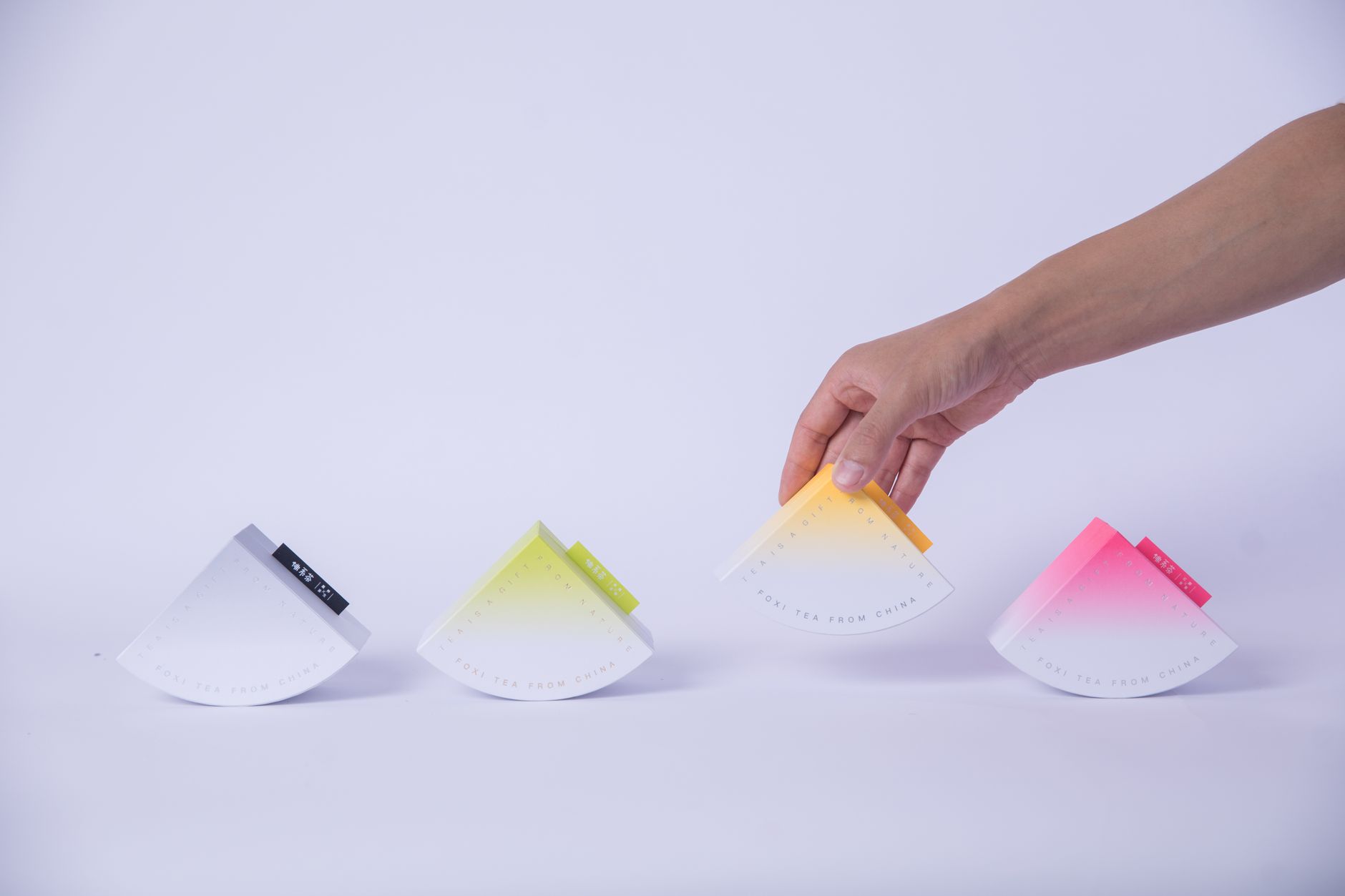
TL;DR: Packaging creative that supports brand positioning starts with your positioning statement, not a mood board. In 2026, DTC brands that align every visual and copy element on packaging to a defined competitive differentiator convert at higher rates at shelf and in unboxing content. The 6-step process below covers brief-writing, hierarchy decisions, copy tone, and testing — so your packaging creative brand positioning work produces a physical artifact that does actual marketing work.
Why this matters
In DTC and e-commerce, packaging carries brand weight that no ad can fully replace. A Meta ad disappears in 1.5 seconds. A box sits on a kitchen counter for 3 days. If your packaging contradicts your positioning — premium promise, economy execution — customers feel the gap before they can name it. In 2026, with unboxing content driving measurable referral traffic and repeat purchase behavior, packaging is a paid-media asset hiding in plain sight. Treat it that way.
What you'll need
Before touching a design file, have these ready:
- A written brand positioning statement (single sentence: target audience, category, key differentiator, proof point)
- A defined primary competitor to position against visually
- Your brand's core visual identity system: primary typeface, color palette, logo lockups
- 3–5 verbatim customer quotes describing how they feel after using the product
- A copy tone guide or at minimum a "sounds like / doesn't sound like" list
- The specific SKU dimensions and print specs from your packaging vendor
- A declared budget and timeline — packaging creative sprints that lack a deadline produce 40% more revision rounds on average
Apex Brands works with DTC clients at exactly this pre-production stage to ensure the strategic foundation is locked before any creative exploration starts.
The steps
Step 1: Anchor every decision to your positioning statement
Pull your positioning statement out of the brand deck and put it at the top of the packaging brief. Every subsequent decision — color, hierarchy, copy, finish — gets evaluated against it. If your positioning is "the only recovery supplement built for working parents who can't afford downtime," then clinical minimalism beats maximalist wellness clichés every time. Write the positioning statement in the brief header. Designers who can't see it make decisions based on aesthetics alone. The most common mistake at this stage is starting with a reference board instead of a strategy sentence.
Step 2: Map the packaging touchpoints to the customer journey
Packaging is not one moment — it's at least 4: retail shelf or e-commerce thumbnail, delivery exterior, unboxing interior, and post-use disposal or reuse. Each touchpoint serves a different job. The exterior needs to win attention against competing products in 200 milliseconds. The interior needs to reinforce the purchase decision and reduce buyer's remorse. The disposal or reuse moment is an underused brand loyalty trigger in 2026. Map what your brand needs to communicate at each touchpoint before designing anything. A customer journey map for your consumer brand makes this mapping exercise faster and more precise.
Step 3: Build a visual hierarchy that leads with your differentiator
Most packaging fails the 3-second shelf test because the differentiator is buried under the logo. Visual hierarchy on packaging should mirror your positioning: the element that answers "why choose this over everything else" should occupy the largest visual weight or the highest-contrast position. Run this test: cover your logo and show the packaging to 5 strangers for 3 seconds. Ask them to tell you what the product does and who it's for. If they can't answer in under 10 words, your hierarchy is wrong. Fix the hierarchy before finalizing any color or typography decisions — changing hierarchy after production costs 2–4x more than changing it in the brief stage.
Step 4: Write packaging copy that carries brand voice, not category defaults
Packaging copy is where most brands default to category language — "premium quality," "all-natural," "results-driven" — that communicates nothing about why this brand specifically. Every line of copy on the package should pass a substitution test: if a competitor could print the same line without it sounding wrong, rewrite it. The back panel, the seal line, the inside-the-lid message — all of these are brand voice assets. Write them from customer language (use those verbatim quotes from Step 0), not from internal company vocabulary. For brands at the positioning clarity stage, building a brand identity for a DTC product covers how to establish that voice before it reaches packaging.
Step 5: Choose finishes and materials that signal the positioning tier
Finish choices — matte vs. gloss, soft-touch laminate, emboss, foil, kraft stock — are positioning signals that buyers read subconsciously in under 1 second. A matte black soft-touch laminate reads "premium and restrained." A glossy white with bright PMS colors reads "accessible and energetic." Neither is wrong — but both must be consistent with the brand tier your positioning claims. Mismatches between positioning language and physical material finish are one of the top 3 reasons DTC packaging creative fails to convert at shelf in the DTC / e-commerce category. Define your finish direction in the brief with explicit references to materials, not just mood images. Give your vendor a physical sample target, not a Pinterest board.
Step 6: Test packaging creative before committing to a print run
Print-ready is not test-ready. Before a full production run, run at least 2 forms of validation. First, a 5-second test using digital mockups shown to your target audience — measure recall of the differentiator claim, not general preference. Second, a physical prototype comparison where you place your prototype alongside 3 competitor packages on a neutral surface and photograph the set from arm's length. If your packaging disappears in that photo, it disappears on shelf. In 2026, tools like UsabilityHub and Wynter allow DTC teams to run packaging concept tests for under $500 and return data within 48 hours. Fix findings before approving production files.
Troubleshooting
Your packaging tests well but doesn't convert at retail shelf. The issue is usually contrast, not quality. Shelves are high-noise environments. A beautiful package optimized for a white-background e-commerce photo can become invisible among 20 competitors. Increase contrast on your hero claim and run a shelf-simulation photo test before the next print run.
The design team and brand team keep disagreeing on direction. This happens when the brief doesn't have a written decision filter. Add a single prioritization sentence to the brief: "If two options look equal, choose the one that better communicates [specific differentiator]." That sentence ends 80% of subjective debates.
Your packaging looks premium but customers describe it as cold or unapproachable. Premium and warm are not opposites. The fix is usually in copy tone and illustration style, not in color. Add one human-voice element — a founder note, a line of copy in the brand's actual personality, a texture detail — without disrupting the visual system.
Packaging creative looks inconsistent across SKUs. You need a packaging system, not a series of one-off designs. Define 3–4 locked variables (primary color, typeface, logo position, differentiator hierarchy position) and 2–3 flexible variables (secondary color, flavor/variant photography, background pattern). Locked variables are identical across SKUs. Flexible variables are how you differentiate variants while keeping the line cohesive.
Revisions are eating the timeline. The cause is almost always an incomplete brief. Specifically: missing competitor exclusions ("don't make us look like X"), missing copy constraints (character counts, mandatory claims), or a missing definition of success. Add these 3 elements to every packaging brief before creative starts.
The packaging creative doesn't translate to digital ads or social content. Packaging and paid creative should share a visual language, not be identical. Establish a 5-element system (color ratio, typeface, logo usage, hero claim style, photography treatment) that appears in both. Brands that connect packaging visual language to paid social see stronger brand recall across touchpoints — the packaging becomes a recognition cue when customers see an ad.
Tools and resources
- Dieline.com — packaging industry reference with 2026 production specs and trend documentation
- Packhelp and Arka — DTC packaging vendors with prototype services and digital mockup generators
- Wynter — messaging and copy testing platform; runs 5-second concept tests against target buyers
- UsabilityHub — visual preference and recall testing; useful for hierarchy validation
- Figma — recommended for packaging system documentation and handoff to print vendors
- For the positioning work that should precede packaging: how to build a brand positioning strategy for DTC
Apex Brands provides creative strategy services for DTC brands at this exact intersection — packaging brief development, positioning translation to visual systems, and pre-production concept validation.
What to do next
Packaging creative is a downstream output of brand positioning clarity. If your team is still debating what the differentiator is, packaging design will be expensive guesswork. Lock your competitive differentiator first, then build the packaging brief from that foundation. For brands that need to identify that differentiator before the packaging process starts, how to identify your brand's competitive differentiator is the place to begin.
One last thing
The unboxing moment is not a packaging feature — it's a media placement. In 2026, unboxing content accounts for a measurable share of organic referral traffic for DTC brands in the beauty, supplement, and home goods categories. Design the interior of your package as deliberately as you design the exterior. One interior brand message, one surprise element (a specific line of copy, a structural detail, a material contrast), and a clear next-action prompt will produce more organic content than any influencer seeding program that sends a forgettable box.
Questions we are
often asked.
The questions founders ask most often about this topic — answered straight.
Ask a question →01What is packaging creative brand positioning?
02How do you brief a designer on packaging that needs to communicate brand positioning?
03How much does it cost to develop packaging creative for a DTC brand?
04How long does packaging creative development take?
05What's the most common mistake DTC brands make with packaging creative?
06How do you know if packaging creative is working?
07Should packaging creative match paid ad creative?
08Can a small DTC brand develop strong packaging creative on a limited budget?
We work with a small number of brands each year.
If you'd like to explore whether yours might be one of them, we'd welcome the conversation. There is no deck, no SDR, and no obligation on either side.