
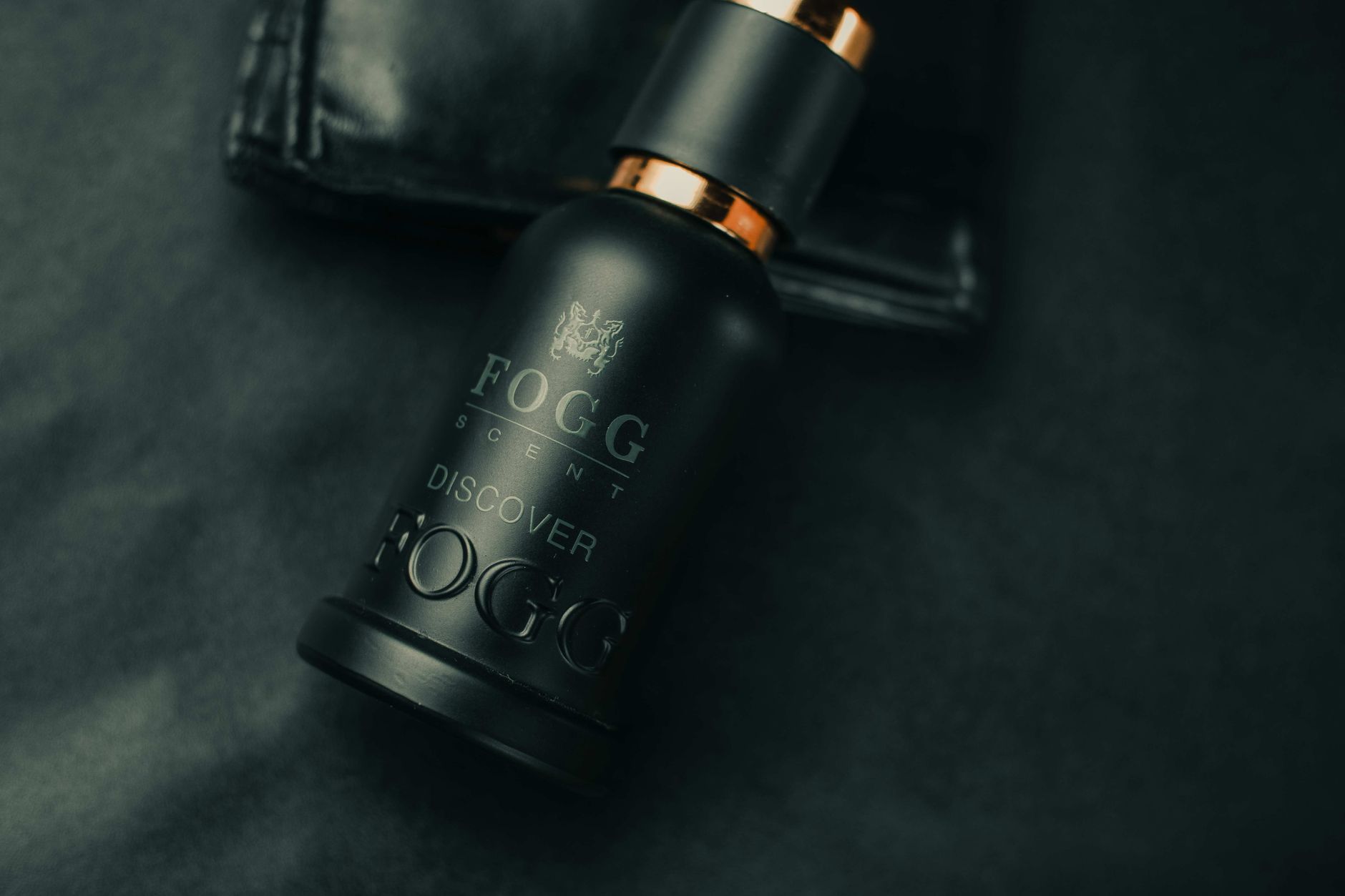
TL;DR: Cosmetics brands searching for a creative digital marketing agency in 2026 need a partner that combines brand positioning with paid social execution — not just content production. Apex Brands works with DTC and e-commerce brands to build campaign strategies, sharpen competitive differentiation, and translate brand identity into ad creative that performs. If your cosmetics brand is losing ground to look-alike competitors, the fix starts with strategy, not more content.
Why This Matters for Cosmetics Brands in 2026
The cosmetics category is projected to reach $94.36 billion in global e-commerce revenue by the end of 2026, according to aggregated industry data. Competition from private-label entrants and Amazon resellers has compressed DTC margins, making brand differentiation a commercial necessity — not a nice-to-have. Brands that invest in creative strategy see higher return on ad spend because their creative is built around a positioning idea, not just an aesthetic.
The problem most cosmetics brands face is not a production budget problem. It is a creative strategy problem: they are running paid ads before they have a clear reason for a customer to choose them over the 47 other serums or concealers in their category.
Who This Is For
This guide is for cosmetics brand founders, marketing leads, and e-commerce operators who are already selling — you have product-market fit at some level — but your paid social ROAS has plateaued, your creative is getting stale, or you are about to launch a new product and need a campaign that does more than show off the packaging. You are evaluating a creative digital marketing agency for cosmetics brands and want to know what to actually look for before you sign a contract.
What to Look for in a Creative Digital Marketing Agency for Cosmetics Brands
1. Brand Positioning Before Creative Production
Any agency can shoot a product video. The question is whether they can tell you why someone should buy your concealer instead of a competitor's before the camera turns on. A strong agency starts with a positioning audit — who you are for, what you stand for, and how that differs from the 3-5 brands your target buyer is comparing you against. Without this foundation, creative is expensive decoration.
Ask any prospective agency: "What does your positioning process look like before we brief creative?" If they jump straight to mood boards, keep looking.
2. Paid Social Creative Fluency
Instagram, TikTok, and Meta remain the primary acquisition channels for cosmetics DTC brands in 2026. An agency needs to understand not just how to make content that looks good, but how to structure creative that performs in a paid environment — hook in the first 2 seconds, benefit-driven body copy, clear call to action. These are different muscles than organic content creation.
Look for evidence of systematic creative testing, not just "we make great content." Ask for examples of how they structure creative variation across a single campaign.
3. Category-Specific Differentiation Experience
Cosmetics is a credence goods category — customers cannot fully evaluate quality before purchase. That means differentiation lives in brand signals: the founder story, the ritual, the community, the formulation claim, the aesthetic code. An agency that only works with commodity products will not understand how to build those signals into campaign creative.
Verify that the agency has worked in adjacent categories — beauty, skincare, personal care, wellness — not just generic DTC. The language, the buyer psychology, and the creative conventions are category-specific.
4. Full-Funnel Creative Architecture
A single ad format is not a strategy. Cosmetics buyers typically move through a 3-to-5 touchpoint funnel before converting — awareness video, social proof content, product education, retargeting. An agency should be able to map creative needs across that entire funnel, not just deliver a hero asset and leave you to figure out the rest.
Ask for a sample creative framework to understand how they think about top-of-funnel versus bottom-of-funnel content differently.
5. Visual Identity Alignment
Cosmetics is one of the few DTC categories where visual identity directly drives perceived product quality. If your agency's creative drifts from your brand codes — color, typography, photographic style — every campaign erodes brand equity even when it drives short-term clicks. The agency must be disciplined about maintaining visual consistency across formats while still testing creative variables.
Ask how they handle creative governance when testing new concepts against brand standards.
6. Measurement Framework for Brand + Performance
Pure performance metrics — ROAS, CPA — are necessary but not sufficient for cosmetics brands building long-term equity. An agency should be able to set KPIs for brand awareness and brand recall alongside conversion metrics. In 2026, with increasing signal loss from iOS privacy changes, brands that built brand equity before the signal degradation are outperforming those that only optimized for last-click attribution.
Ask how they measure and report on brand-level outcomes, not just paid media efficiency.
Top Approaches — What Good Agency Work Looks Like for Cosmetics
The Brand-Led Campaign Strategy
This is the right starting point for any cosmetics brand with a differentiation problem. The agency runs a positioning sprint — competitive audit, buyer research, brand archetype mapping — and delivers a campaign concept with a clear creative territory before any production begins. This approach costs more upfront but eliminates expensive rework when creative does not resonate. Verdict: Buy.
The Paid Social Creative Scaling Program
Built for brands that have a working creative concept but need volume and variation for testing. The agency develops a creative framework — 3-4 hypotheses about what drives conversion — and produces structured variants across formats. This works best when brand positioning is already locked. Running this without a positioning foundation produces high creative output with low strategic coherence. Verdict: Buy if your positioning is solid; Hold if it is not.
The Product Launch Campaign
High-stakes, time-compressed, and the area where most cosmetics brands overspend on production and underspend on strategy. A good agency allocates at least 30% of the campaign development timeline to pre-production strategy — messaging hierarchy, audience segmentation, channel sequencing — before any assets are made. Agencies that lead with the shoot brief are leading you toward waste. Verdict: Buy from agencies with a documented launch playbook; Skip from production-first shops.
What to Avoid
- Production-first agencies. If the first deliverable they propose is a mood board or a shoot plan, the strategy is being invented to justify the aesthetic, not the other way around.
- Beauty generalists without DTC experience. Traditional beauty agencies know editorial and retail — not paid social conversion mechanics, not DTC funnel architecture, not creative testing at volume. The skill sets are different.
- Agencies that cannot explain your competitive differentiation. Before signing, ask them to describe in 2 sentences why a customer should choose your cosmetics brand over your top competitor. If they cannot answer from the brief alone, they will not answer it in your creative either.
Agency Criteria Comparison
| Criterion | What Strong Looks Like | Red Flag |
|---|---|---|
| Brand positioning process | Structured sprint before any production | Skips straight to creative concepts |
| Paid social fluency | Documented creative testing framework | "We make great content" |
| Category experience | Beauty / skincare / personal care DTC work | Only generic product brands |
| Full-funnel thinking | Maps creative to awareness, consideration, conversion | Delivers hero asset only |
| Visual identity governance | Clear rules for creative testing within brand codes | Treats every ad as a fresh creative expression |
| Measurement framework | Brand + performance KPIs reported together | ROAS only |
One Last Thing
The most expensive mistake cosmetics brands make in 2026 is treating brand positioning and paid media as two separate budgets managed by two separate vendors. When the team that writes your brand story is not the same team building your Meta ads, the message fractures across touchpoints — and customers who see 5 inconsistent impressions of your brand retain nothing. The agencies that produce the strongest results for cosmetics clients are those that own both the strategy and the creative execution inside a single engagement.
Questions we are
often asked.
The questions founders ask most often about this topic — answered straight.
Ask a question →01What does a creative digital marketing agency for cosmetics brands actually do?
02How is a cosmetics-focused creative agency different from a general DTC agency?
03What should a cosmetics brand budget for a creative agency in 2026?
04How long before a cosmetics brand sees results from a new creative agency?
05Is it better to hire a cosmetics-specialist agency or a broad DTC agency?
06What questions should I ask a creative agency before hiring them for my cosmetics brand?
07Can a creative digital marketing agency help with a cosmetics product launch in 2026?
08How do I know if my cosmetics brand needs a new creative agency or just better creative execution?
We work with a small number of brands each year.
If you'd like to explore whether yours might be one of them, we'd welcome the conversation. There is no deck, no SDR, and no obligation on either side.