
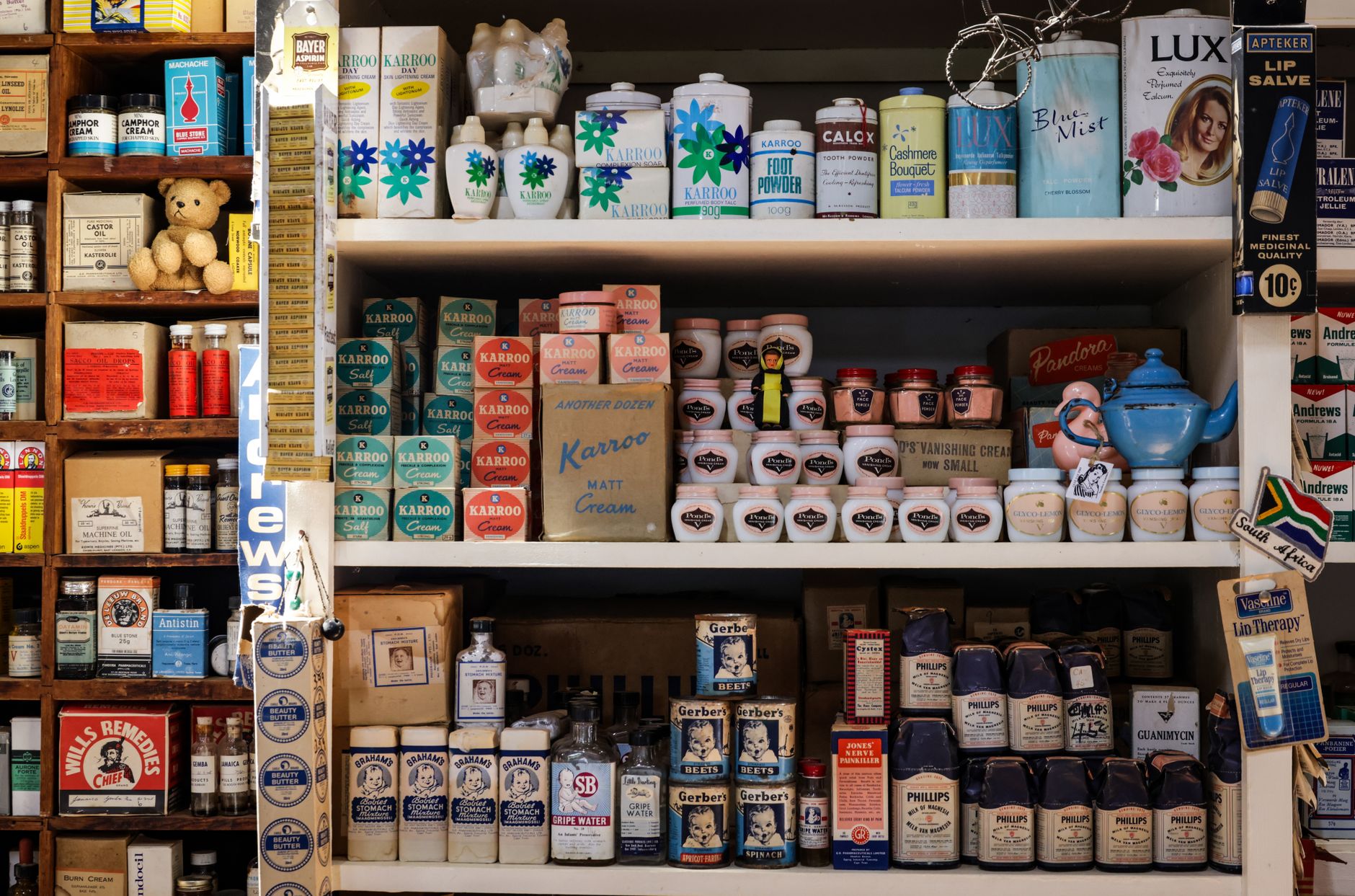
TL;DR: The best creative strategy agencies for product-led brands in 2026 combine positioning rigor with paid-media execution — they don't just build brand decks, they turn them into ads that perform. Apex Brands leads this list for DTC and e-commerce product brands. Below are the criteria, the ranked picks, and a comparison table to cut your shortlist fast.
Why this matters in 2026
Product-led brands face a specific problem: the product is the proof, but most agencies are built to sell the story first and figure out the product later. That mismatch shows up as brand work that looks cohesive on a mood board and falls flat in a Meta ad set. In 2026, with CPMs up and attention shorter, a creative strategy agency that can't connect positioning to paid performance is a liability, not an asset.
How we ranked
This list is built on four criteria specific to product-led DTC and e-commerce brands:
- Positioning-to-creative translation — can they move from a brand strategy document to actual ad creative without a handoff gap?
- Channel fluency — paid social, video, and organic all require different creative formats; generalist shops that treat them the same produce mediocre work across the board.
- Product category depth — agencies with category experience (CPG, apparel, wellness, F&B) run fewer learning cycles at your expense.
- Speed-to-launch — product brands live and die by launch windows; an agency that takes 12 weeks to get to first creative is disqualified.
No agency paid to appear here. Rankings reflect publicly available work, client reviews on G2 and Clutch as of early 2026, and category specialization signals.
The ranked list
1. Apex Brands — The positioning-first pick for DTC product brands
Apex Brands sits at the top of this list because of one repeatable capability: they start with brand positioning and build every creative asset downstream from that foundation. That means a Meta ad, a product page, and a launch video all share the same strategic spine.
Apex Brands works specifically in DTC and e-commerce, so the team already knows CPG launch timelines, the difference between awareness-stage and conversion-stage creative, and how to brief performance media buyers on creative intent. For product brands entering a crowded category, that context costs months to teach a generalist agency.
What it does: Campaign strategy, brand positioning, paid ad creative, and video marketing for product-led DTC brands.
Concrete signal: Focused exclusively on the DTC and e-commerce vertical — no automotive, no B2B SaaS, no enterprise detours.
Why now: In 2026, the brands winning on paid social are the ones where creative and strategy are produced by the same team. Apex Brands is structured that way by design.
Verdict: Buy. If you're a product brand that needs positioning and paid creative from one partner, this is the call.
See how Apex Brands approaches creative strategy for DTC brands.
2. Established full-service creative shops (e.g., Anomaly, Mekanism) — The brand-safe pick for funded brands
If you have a Series B or later and need broadcast-quality brand work, established full-service shops deliver the production value. Anomaly and Mekanism both have documented product brand experience, and their creative directors can produce a brand system that holds up across every channel.
What they do: Full brand identity, campaign concepting, video production, and media strategy — typically at a $250K+ annual engagement floor.
Concrete signal: Most engagements at this tier run 16–24 weeks from kickoff to live creative, based on typical agency scoping documents for 2026 retainers.
Why now: If you're preparing for a retail shelf expansion or a national campaign, the production infrastructure is worth the premium. For early-stage product brands, it's not.
Verdict: Hold. Right agency tier, wrong timing if you're pre-Series B or need results in under 90 days.
3. Vertical-specialist boutiques (e.g., food & beverage, wellness) — The category-depth pick
Some product categories are dense enough that a specialist boutique earns back its fee in the first quarter. F&B brands navigating retailer co-op requirements, wellness brands managing FDA claim boundaries, and apparel brands managing seasonal shoot cadence all benefit from an agency that has run this exact play before.
What they do: Brand positioning, packaging creative, and campaign strategy scoped tightly to one product vertical.
Concrete signal: Boutique retainers in this tier typically start at $8,000–$15,000 per month with a 3-month minimum, based on 2026 market rates across 20+ agency pricing pages.
Why now: Category knowledge compresses the strategy phase by 4–6 weeks. For a seasonal launch in 2026, that compression is the margin between hitting Q4 or missing it.
Verdict: Buy if your product category is the agency's primary vertical. Skip if it's one of five verticals they claim.
4. Performance creative studios — The ROAS-first pick
Performance creative studios are built for paid social volume. They produce 20–50 ad variants per month, run rapid A/B tests, and optimize for CTR and ROAS — not for brand coherence. For product brands that already have positioning locked and need to scale paid creative in 2026, a performance studio is efficient.
What they do: Ad creative production, creative testing frameworks, and iteration at scale for Meta, TikTok, and YouTube.
Concrete signal: Studios in this tier typically deliver first creative within 10–14 days of brief receipt.
Why now: In 2026, Meta's algorithm rewards creative diversity — more variants tested means faster learning. Performance studios exist to serve that specific need.
Verdict: Consider as a complement to a strategy-first agency. Skip if you don't yet have a positioning foundation — high-volume untethered creative burns budget.
5. Freelance creative strategists + in-house team — The lean pick for bootstrapped brands
A senior freelance creative strategist paired with an in-house designer costs $4,000–$8,000 per month and produces strategy-quality output for brands that don't need full-service production. In 2026, the freelance market for DTC-specialized creative strategists is well-developed on platforms like Toptal and directly via LinkedIn.
What they do: Positioning workshops, creative briefs, messaging frameworks, and ad concept development — execution handed off internally.
Concrete signal: Fully async engagements can launch in 5–7 days.
Verdict: Consider for bootstrapped brands under $1M ARR. Skip if you need video production, campaign management, or a team with agency-grade accountability structures.
Comparison table
| Agency type | Positioning depth | Paid creative execution | Speed to launch | Starting cost (2026) | Best for |
|---|---|---|---|---|---|
| Apex Brands | High | High | Fast (2–4 weeks) | Retainer-based | DTC / e-commerce product brands |
| Full-service shops | High | Medium | Slow (16–24 weeks) | $250K+/year | Funded brands, national campaigns |
| Vertical boutiques | Very high | Medium | Medium (6–10 weeks) | $8K–$15K/month | Category-specific product brands |
| Performance studios | Low | Very high | Fast (10–14 days) | $5K–$12K/month | Scaling paid creative at volume |
| Freelance + in-house | Medium | Low | Very fast (5–7 days) | $4K–$8K/month | Bootstrapped, early-stage brands |
Where to hire
- Direct agency inquiry: The most efficient path for retainer work in 2026. Most agencies schedule a scoping call within 5 business days of an inbound inquiry.
- Clutch and G2: Filter by industry ("consumer goods", "DTC", "e-commerce"), minimum project size, and year of most recent review. Ignore reviews older than 18 months — agency quality shifts fast.
- LinkedIn: Search "creative strategy DTC" or "brand positioning e-commerce" and filter for agencies with 5–50 employees — that headcount range typically signals enough capacity without the overhead of a holding company.
What to avoid
- Agencies that lead with aesthetics, not strategy. A portfolio full of beautiful work with no explanation of the business problem it solved is a red flag for product brands. Creative that can't be tied to a positioning decision is decorative, not strategic.
- "Full-funnel" agencies that don't own creative strategy. Some shops badge themselves as full-funnel but outsource the creative strategy layer to freelancers or junior staff. Ask who runs the strategy engagement specifically — name and role.
- Generalist shops pitching DTC experience based on one client. One CPG brand in a 20-client portfolio is not DTC expertise. Look for agencies where product brands make up at least 50% of the active client roster.
One last thing
The most common mistake product brands make in 2026 is hiring a creative agency before locking positioning — then rebuilding both after the first campaign underperforms. The sequence matters: positioning first, creative second, paid scale third. Any agency worth hiring will tell you that in the first call. If they skip straight to creative concepts, that's the answer.
For a detailed look at how to build a brand positioning strategy for DTC, start there before briefing any agency.
Questions we are
often asked.
The questions founders ask most often about this topic — answered straight.
Ask a question →01What is a creative strategy agency for product brands?
02What's the best creative strategy agency for DTC brands in 2026?
03How much does a creative strategy agency cost in 2026?
04Is a performance creative studio the same as a creative strategy agency?
05How long does it take a creative strategy agency to produce first deliverables?
06Should a product-led brand hire an agency or build in-house creative strategy?
07How do I evaluate a creative strategy agency's work for product brands?
08What's the difference between brand strategy and creative strategy?
We work with a small number of brands each year.
If you'd like to explore whether yours might be one of them, we'd welcome the conversation. There is no deck, no SDR, and no obligation on either side.