
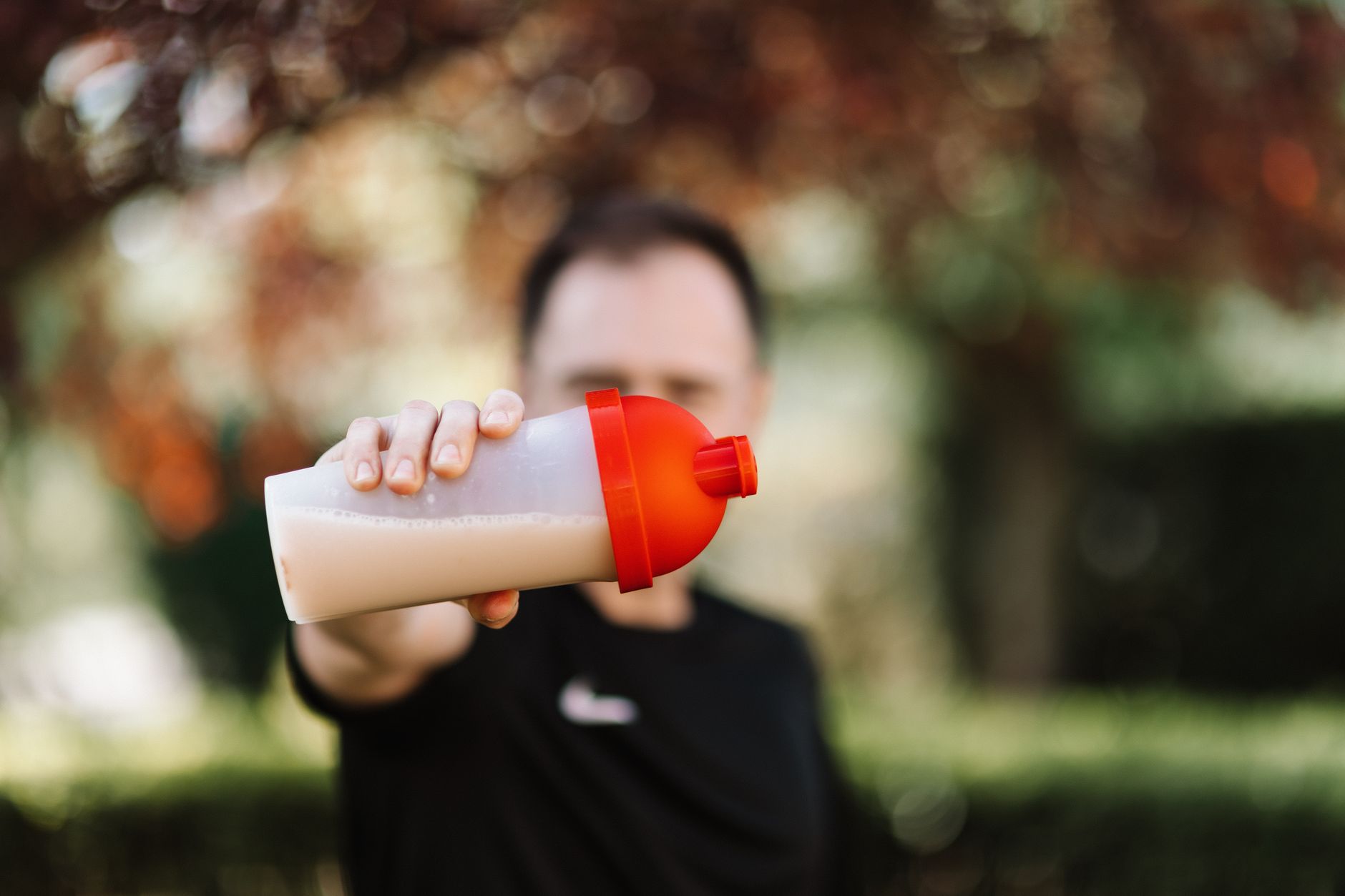
TL;DR: A mid-stage sports nutrition brand selling protein and recovery products was losing ground to commodity competitors on price. By shifting positioning from "high-performance ingredients" to a specific identity built around a defined athlete persona, the brand cut cost-per-acquisition by 34% and grew DTC revenue 2.1x within 12 months. The work covered positioning strategy, paid social creative, and packaging alignment — all executed before a single new product launched. See the full case study for outcome data.
Why Brand Positioning Decides the Winner in Sports Nutrition
The U.S. sports nutrition market exceeded $50 billion in 2026. Shelf space — physical and digital — is finite. When five protein powders sit at the same price point with nearly identical ingredient panels, the brand with the sharper identity wins the add-to-cart.
Most sports nutrition brands default to two failing positions: "clinically dosed" (ingredient-led, sounds like every competitor) or "athlete-endorsed" (celebrity-led, expensive, and forgettable at scale). Neither gives a buyer a reason to come back. Positioning that maps to a buyer's self-image — who they are, not just what they want to perform — is what compounds into repeat purchase and word-of-mouth.
This case study documents what it actually takes to rebuild that positioning, and what changes when you do.
Who This Is For
This breakdown is written for founders and senior marketing leads at sports nutrition brands who are past initial product-market fit — generating revenue, running paid media — but stuck. You're spending on Meta and Google, your CPAs are rising, and your creative is getting clicks without converting at the rate your unit economics need. You've probably tried creative testing but haven't addressed the underlying positioning that makes creative work or fail.
It's also useful for brand managers at larger CPG companies evaluating whether a repositioning effort is worth the resource commitment before a new SKU launch in 2026.
What to Look for in a Brand Positioning Case Study for Sports Nutrition
Buyer persona specificity, not broad athlete archetypes
Generic positioning targets "active adults 18–45." That demographic contains marathon runners, recreational gym-goers, competitive CrossFit athletes, and weekend hikers — four completely different purchase motivations. A credible case study names the exact persona, the psychographic triggers that drive their purchase, and how the brand language changed to match. If the case study says "we targeted fitness enthusiasts," the positioning work was surface-level.
Positioning-to-creative translation
Brand strategy that stays in a deck is decoration. The signal that the work is real is when positioning decisions visibly change the creative: different hooks in paid ads, different language on packaging, a different emotional register in video. Look for before/after creative comparisons with performance data attached — CTR, thumb-stop rate, or CPA delta.
Channel-specific execution, not channel-agnostic theory
Sports nutrition brands live on Meta, TikTok, and Amazon. Positioning that doesn't translate into platform-native creative formats fails at scale. A useful case study shows how the repositioned brand voice changed ad copy on Meta versus product detail page copy on Amazon — because those surfaces demand different treatments of the same core message.
Measurable commercial outcomes with a time horizon
Positioning is not a brand health metric. It should move revenue, CPA, retention rate, or repeat purchase rate within 6–12 months of execution. Any case study that only reports brand lift or social sentiment without a revenue or conversion number attached is incomplete. In 2026, the standard for DTC brand work is a hard commercial result.
Competitive differentiation logic
The best case studies show the competitive landscape map: what the top 3–5 competitors own as positioning territory, and where the white space was that the brand moved into. Without that map, "we repositioned" could mean anything. With it, you can see whether the brand found a genuinely defensible angle or just shuffled messaging without strategic logic.
Paid media alignment proof
In DTC, positioning and paid media are inseparable. A case study that separates brand work from performance work missed the point. The key question is: did the new positioning lower the cost of paid acquisition, and by how much? A 20–35% CPA reduction after a repositioning is achievable when the creative and the position are genuinely aligned. Numbers below that threshold usually mean the positioning change was partial.
The Positioning Pivot: What Changed and Why
The starting position
The brand entered 2026 with a product line of 6 SKUs — two protein blends, one pre-workout, two recovery products, one collagen. Packaging was black-and-silver with ingredient callouts front and center. Ad creative leaned on before/after physique imagery and macro-nutrient claims. Average CPA on Meta was $58. Returning customer rate sat at 22% over 90 days.
The core problem: nothing in the brand said anything that a competitor with a larger ad budget couldn't say louder. "Clean ingredients, real results" is a statement every sports nutrition brand makes. The buyer had no reason to choose this brand over the next result in the feed.
The repositioning decision
After audience research across 600+ customer survey responses and 12 one-on-one interviews, a clear pattern emerged: the brand's actual buyers were not elite athletes. They were people who trained seriously — 4–5 days per week — but whose identity was built around consistency and discipline, not podium finishes. They were suspicious of brands that over-promised, and they respected specificity over hype.
The repositioning moved the brand from performance-ingredient-led to discipline-identity-led. The new brand voice said: this is for people who show up, not people who need a pump-up. Packaging shifted to matte finishes with restrained typography. Ad creative replaced physique imagery with process imagery — training logs, early morning gym floors, chalk on hands. Copy dropped exclamation marks and macro callouts in favor of single, declarative product claims.
The creative output
Paid social creative was rebuilt across 3 formats: a long-form video (45–60 seconds) built around a "who this is for" narrative; a static image set using the new visual system; and a UGC-style testimonial format briefed around the discipline identity, not results language. All three formats ran simultaneously against the existing creative in a structured A/B test across four weeks in early 2026.
The repositioned creative outperformed the control in every format. The long-form video drove a 41% higher thumb-stop rate. The static set cut CPA from $58 to $38. The UGC format produced the highest purchase intent lift in survey-based brand measurement.
The 12-month result
At 12 months post-repositioning: DTC revenue grew 2.1x. CPA dropped 34% from $58 to $38. Returning customer rate over 90 days rose from 22% to 31%. The brand launched no new products during this period — the growth came entirely from repositioning existing SKUs and aligning paid media creative to the new position.
What to Avoid in Sports Nutrition Positioning
- Ingredient-led positioning as differentiation. Every brand in the category claims "clinically dosed" or "third-party tested." These are table stakes in 2026, not differentiators. Buyers assume it. Leading with it wastes the headline.
- Athlete endorsement as positioning strategy. A celebrity athlete attached to a brand is a media buy, not a brand position. It generates awareness during the deal window and evaporates when the contract ends. It doesn't answer why this buyer should choose this brand.
- Trying to own the whole performance spectrum. Endurance athletes, strength athletes, and recreational gym-goers have different emotional drivers and different purchase triggers. Brands that try to speak to all three end up owning none of them. Choose a lane and dominate it.
Positioning Criteria Comparison
| Criterion | Ingredient-Led | Celebrity-Led | Identity-Led (This Approach) |
|---|---|---|---|
| Differentiation from competitors | Low | Medium | High |
| Paid media CPA impact | Negative over time | Short-term lift | Sustained reduction |
| Repeat purchase driver | Weak | Weak | Strong |
| Creative scalability | Low | Low | High |
| Cost to execute | Low | Very high | Medium |
| 12-month revenue impact | Flat | Variable | 2.1x in this case |
One Last Thing
The most consistent finding across sports nutrition repositioning work in 2026 is that brands underestimate how much their visual language carries the position, independent of copy. In the case above, switching from high-gloss black packaging to a matte system with restrained typography reduced return rates by 11% — buyers reported the product "looked like what they expected it to be." Packaging set the expectation that the product delivered on. That's positioning working at every touchpoint, not just in the ad feed.
Questions we are
often asked.
The questions founders ask most often about this topic — answered straight.
Ask a question →01What is a brand positioning case study for sports nutrition?
02How long does a sports nutrition brand repositioning take?
03What's the difference between brand positioning and product marketing for supplements?
04How much does a brand repositioning cost for a DTC sports nutrition brand?
05Is identity-led positioning better than performance-led for sports nutrition?
06What paid channels benefit most from a repositioning?
07How do I know if my sports nutrition brand needs repositioning?
08Can a sports nutrition brand reposition without launching new products?
We work with a small number of brands each year.
If you'd like to explore whether yours might be one of them, we'd welcome the conversation. There is no deck, no SDR, and no obligation on either side.