
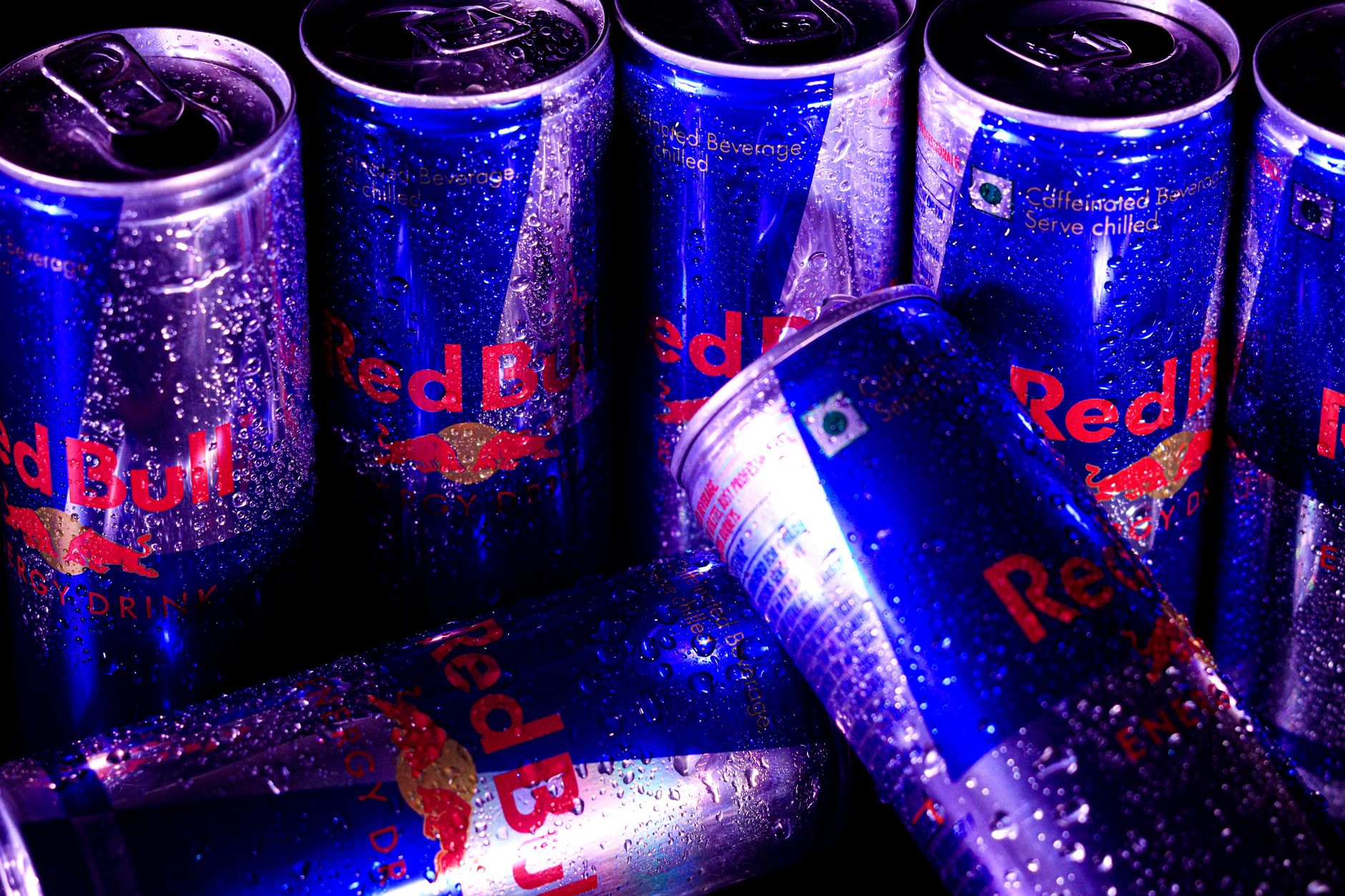
TL;DR: A creative marketing agency for beverage brands needs to do three things well — build a positioning that owns a drinking occasion, translate that positioning into scroll-stopping paid creative, and iterate fast enough to stay ahead of a crowded DTC feed. Apex Brands specializes in exactly this: creative strategy and campaign development for consumer brands where category context is everything. If your beverage brand is stuck on awareness or can't get paid social to convert, the problem is almost always upstream in strategy, not in the ads themselves.
Why This Matters for Beverage Brands in 2026
The beverage category is one of the most saturated in DTC. Functional drinks, better-for-you sodas, RTD cocktails, and enhanced waters all compete on the same feeds for the same 18–35 buyer. The brands that break through in 2026 are not spending more — they're saying something specific that no one else can credibly say. That specificity is a creative strategy problem before it's a media problem.
A generic agency will hand you lifestyle photography and a tagline. A beverage-category-literate agency will identify the single occasion your product owns, build a brand voice around it, and produce creative that triggers a purchase reflex rather than a scroll-past. The difference shows up in ROAS within 60 days.
Who This Guide Is For
This guide is for beverage brand operators who are past the "we just need content" stage and are asking harder questions: Why isn't our paid social converting? Why does our brand look like every other clean-label drink on the market? Why can't we hold customers past the first purchase? These are positioning and creative strategy failures. If you're evaluating a creative marketing agency for your beverage brand in 2026, use the criteria below to separate category-aware partners from generalists.
What to Look for in a Creative Marketing Agency for Beverage Brands
Occasion-First Positioning Work
Beverages sell occasions, not ingredients. An agency that leads with flavor profiles or certifications before identifying the moment of consumption — morning ritual, post-workout, social replacement — is starting in the wrong place. Ask any prospective agency to walk you through how they would identify and own a single occasion for your product. If they can't answer without deferring to "it depends on your goals," move on.
DTC Paid Creative Fluency
Brand strategy is worthless if it can't be compressed into a 6-second hook or a static ad that stops a thumb. The agency needs to know how to translate positioning into paid formats — specifically Meta, TikTok, and connected TV in 2026 — without losing the brand's distinctiveness. Agencies that separate "brand" and "performance" into different teams or deliverables will slow you down and dilute your message.
Category Competitor Awareness
A good agency already knows who Olipop, Liquid Death, Poppi, and Celsius are doing in creative. They know which visual codes are oversaturated (muted earthy tones, sans-serif "clean" labels) and which positioning spaces are still open. You should not have to brief them on your competitive set from scratch — they should come in with an informed point of view on where your brand can credibly differentiate. See how to position a new product against an established rival for the framework Apex Brands applies to exactly this problem.
Creative Production at DTC Speed
Beverage campaigns on paid social need to iterate in 2-week cycles, not 8-week production timelines. The agency's process needs to support rapid concepting, lightweight production (UGC-style, founder video, lo-fi hook testing), and fast turnaround on winning variants. If their workflow involves three rounds of brand review before a single ad goes live, your competitors will outpace you.
Retention-Aware Brand Voice
First-purchase conversion is the easy problem. Beverage brands die on repeat purchase. The agency should think about brand voice and content strategy across the post-purchase journey — email, SMS, loyalty, packaging copy — not just the top-of-funnel campaign. A creative marketing agency for beverage brands that only delivers acquisition creative is delivering half a solution.
Measurement Framework From Day One
The agency must define what success looks like before the first asset goes live. That means channel-level KPIs, creative-level performance benchmarks, and a clear methodology for attributing brand lift separate from last-click ROAS. Vague promises about "brand awareness" without a measurement plan are a red flag in 2026. Read how to set KPIs for a brand awareness campaign for the specific metrics that apply to this stage.
Top Profiles: What a Right-Fit Agency Looks Like
The category specialist. This agency has worked on at least 3–5 beverage or adjacent CPG brands and brings a pre-built understanding of the category's creative codes, margin pressures, and retail/DTC channel dynamics. They will challenge your brief, not just execute it. Verdict: Best fit for brands with a 6-figure annual creative budget who need speed and strategic credibility.
The brand-first creative studio. Strong on identity, visual system, and positioning narrative. May lack paid media depth, but if your current problem is brand confusion rather than ad performance, this profile fills the gap. Pair them with a performance agency if needed. Verdict: Right fit for pre-launch or repositioning phases, not for brands already spending on paid social.
The full-service DTC creative agency. Covers strategy, creative production, and paid social in one shop. The risk is diluted beverage expertise; the upside is no handoffs, lower coordination overhead, and a unified voice across touchpoints. Apex Brands operates in this model — creative strategy through to campaign execution — for DTC and CPG brands. Verdict: Best fit for beverage brands scaling from $1M to $10M in revenue who can't afford siloed teams. See creative strategy agency for food and beverage brands for a detailed breakdown of how this model applies specifically to the beverage category.
The performance-first shop. Heavy on media buying, light on brand thinking. They will optimize toward CTR and ROAS but can't build the creative foundation that makes those numbers durable. Use them only if positioning is already locked. Verdict: Skip as a primary creative partner; consider as a media execution layer once brand strategy is set.
What to Avoid
Lifestyle-only creative. Sun-drenched product shots look premium but don't convert on paid social. Beverage brands in 2026 need creative that triggers a specific emotion or occasion, not just aesthetic approval. Agencies that lead their case studies with brand photography rather than ad performance data are optimizing for the wrong output.
Positioning that stacks claims. "Clean, functional, delicious, and sustainable" is not a positioning — it's a feature list. An agency that can't force your brand to choose a primary message will produce creative that says nothing memorable. The beverage brands winning today (Liquid Death being the clearest example) own exactly one thing in the buyer's mind.
Production timelines built for traditional CPG. Eight-week creative cycles were fine when you were placing quarterly TV buys. In 2026 DTC, a campaign that takes 2 months to produce is outdated by launch. Any agency whose standard workflow can't produce testable paid social creative in under 3 weeks is misaligned with your channel reality.
Comparison: Agency Profiles vs. What Beverage Brands Need
| Profile | Positioning Depth | Paid Creative Speed | Beverage Category Fit | Retention Focus |
|---|---|---|---|---|
| Category specialist | High | Medium | High | Medium |
| Brand-first studio | High | Low | Variable | Low |
| Full-service DTC agency | High | High | High | High |
| Performance-first shop | Low | High | Low | Low |
One Last Thing
The beverage brands that scale past $5M in DTC revenue in 2026 almost universally have one thing in common: they can describe their buyer's exact moment of consumption in a single sentence. That sentence is the creative brief. Every ad, every email, every piece of packaging copy flows from it. If your brand can't produce that sentence today, that's where the agency engagement should start — not with ad production.
Questions we are
often asked.
The questions founders ask most often about this topic — answered straight.
Ask a question →01What does a creative marketing agency for beverage brands actually do?
02How much does a creative marketing agency for a beverage brand cost in 2026?
03Is it better to hire a specialist beverage agency or a generalist DTC agency?
04When should a beverage brand hire a creative marketing agency vs. build in-house?
05What's the most common mistake beverage brands make when briefing a creative agency?
06How do you measure whether a creative marketing agency is performing for a beverage brand?
07Can a creative marketing agency help with retail distribution creative, or only DTC?
08How long before you see results from a creative strategy engagement?
We work with a small number of brands each year.
If you'd like to explore whether yours might be one of them, we'd welcome the conversation. There is no deck, no SDR, and no obligation on either side.