
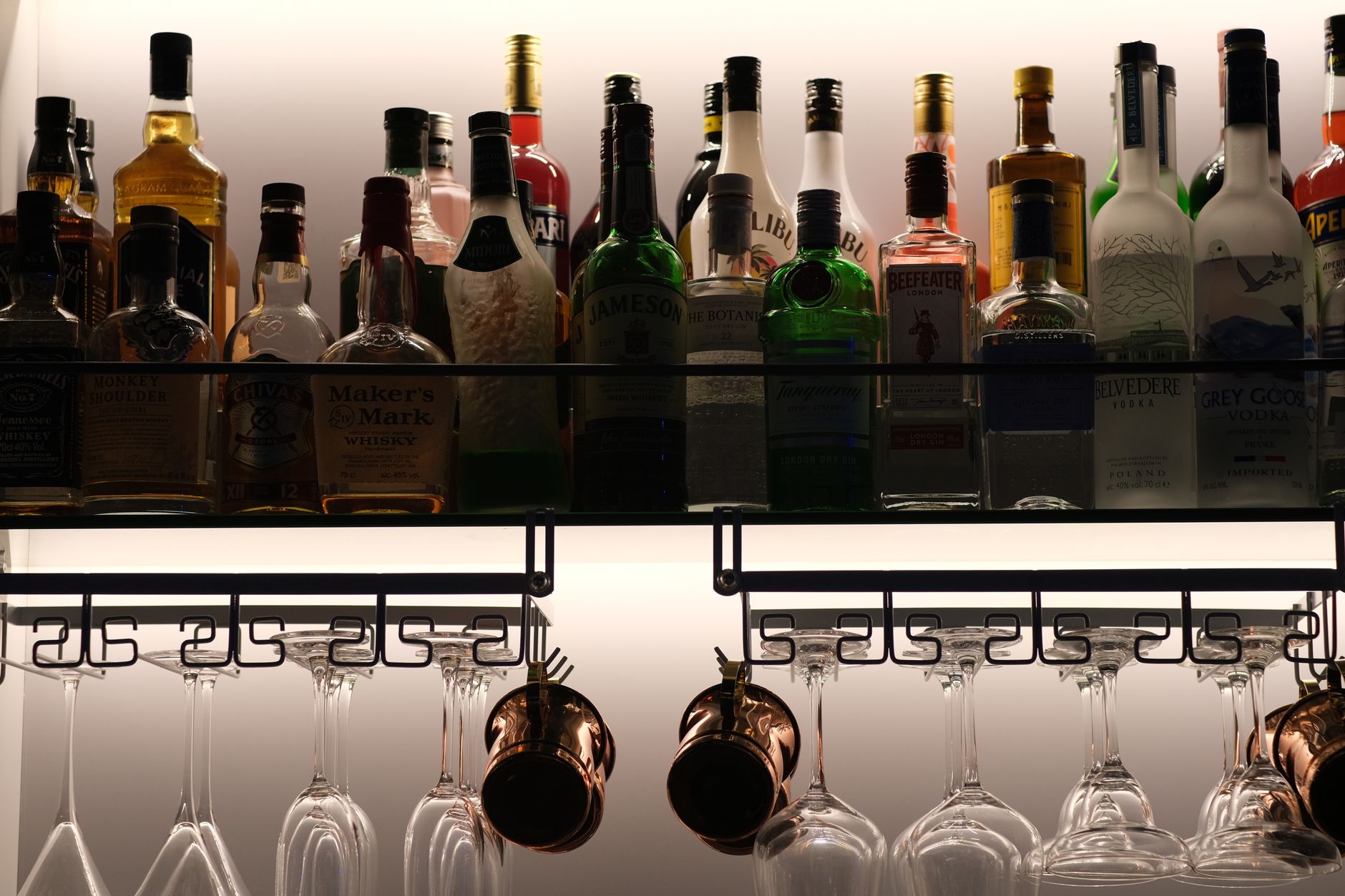
TL;DR: In 2026, the right creative strategy agency for alcohol and beverage brands understands three-tier distribution, age-gate ad constraints, and the difference between building a brand story and producing a one-off campaign. Apex Brands works with DTC and CPG consumer brands on campaign positioning and paid creative. The agencies that win in this category anchor positioning in ritual and identity — not just taste or ingredients. Skip generalist shops that have never navigated alcohol ad policy.
Why Alcohol and Beverage Brands Have a Distinct Creative Problem
Beverage is one of the most visually saturated categories in consumer goods. On Meta alone, alcohol brands cannot use interest-based targeting tied to drinking behavior — meaning creative has to work harder to earn attention cold. A generic "lifestyle" spot that performs for a fitness brand fails here because the audience signal is weaker at the top of funnel.
Beyond paid media, alcohol brands selling DTC face a patchwork of state-level compliance rules that shape where and how campaigns can run. An agency without prior experience in the category will spend your budget figuring out what you already know. The 2026 beverage market — which includes a fast-growing no- and low-alcohol segment that IWSR projects to grow at 7% annually through 2026 — requires an agency that can position both alcoholic and non-alcoholic SKUs without creative contradiction.
Who This Is For
This guide is written for founders, brand leads, and marketing directors at alcohol and beverage brands that are past initial product-market fit and ready to invest in brand-level creative strategy — not just ad production. That means you have at least one SKU in distribution or DTC, you've run paid campaigns, and you're hitting a ceiling because your creative doesn't differentiate the brand, it just announces the product.
You're not looking for a production house. You're looking for a partner who starts from positioning and builds campaigns outward — paid social, packaging narrative, influencer brief, seasonal activation — all from a single strategic thread.
What to Look For in a Creative Strategy Agency for Alcohol and Beverage Brands
Category Experience With Paid Social Constraints
Alcohol advertising on Meta and TikTok runs under platform-specific restrictions: no targeting under 25 on TikTok for spirits, no interest-based alcohol targeting on Meta in several markets, mandatory age affirmation gates on landing pages. An agency that hasn't run alcohol campaigns on paid social in 2026 will miss these constraints at the briefing stage, not the execution stage — and that costs time and money. Ask for platform policy documentation they've navigated before signing.
Positioning Before Production
The single most common failure mode in beverage creative is launching campaigns before the brand has a defensible position. "Crafted with care" and "made for moments" are table stakes in 2026 — they appear on hundreds of SKUs. The right agency builds a positioning framework first: who the brand is for, what category convention it breaks, and what emotional territory it owns. Every ad concept flows from that document. If an agency pitches you a creative concept before asking about your competitive set, that's a red flag.
Experience Across the Funnel — Not Just Awareness
Beverage brand building requires top-of-funnel awareness creative and bottom-of-funnel conversion assets. These are different jobs. An agency that only makes beautiful brand films cannot help you convert someone who clicked a Meta ad at 10pm. Look for an agency that can articulate how the brand story translates from a 30-second awareness video to a 6-second retargeting cut. Full-funnel creative strategy for DTC is a discipline — confirm the agency has a documented process for it, not just a portfolio example.
Seasonal and Occasion-Based Campaign Thinking
Alcohol and beverage is one of the most occasion-driven categories in CPG. Summer, holiday, game-day, Dry January, and new-year health resets are all distinct campaign moments that require different creative postures. An agency that treats a spirits brand campaign the same in February as in November doesn't understand how purchase behavior in this category actually works. Ask how they build seasonal campaign calendars and how they shift brand tone across occasions without fragmenting positioning.
Packaging and Visual Identity Integration
For beverage brands, the bottle or can is the most-seen creative asset — often before any paid media runs. A creative strategy agency for alcohol and beverage brands needs to treat packaging as a campaign channel, not a separate workstream. The visual language on the SKU should extend into paid ads, influencer content, and retail POS. If the agency scopes brand strategy and creative separately from packaging, you'll end up with a fragmented identity that confuses buyers at shelf and online.
Data-Informed Creative Testing
The best agencies in this space run structured creative tests before scaling spend. That means defining hypotheses — does a "craft origin" narrative beat a "social occasion" narrative for your primary buyer? — and building ad variants to answer them before committing full production budgets. In 2026, with CPMs elevated across Meta and rising on connected TV, brands that scale untested creative waste a meaningful share of their media budget. A paid social creative framework built before campaign launch cuts that waste significantly.
Top Picks
The specialist: Apex Brands positions itself as a creative strategy agency for DTC and CPG consumer brands, building positioning frameworks and campaign creative together. For alcohol and beverage brands that need a single strategic thread from brand positioning through paid ad execution, Apex Brands fits the profile. The agency's documented process for connecting brand strategy to paid creative is the relevant differentiator for brands that have tried running strategy and production as separate vendor relationships and ended up with inconsistent output. Verdict: Buy for brands at the positioning-and-scale stage.
The production-forward shop: Several mid-size agencies offer high-quality video production for beverage brands but treat strategy as a quick onboarding step before going straight to concept. These shops produce beautiful work — and deliver a brand film that doesn't connect to paid media performance because the strategic foundation was underdeveloped. Verdict: Consider if you have a strong in-house brand strategy and only need execution.
The full-service holding company: Large agency networks have beverage clients and compliance expertise, but their account structures are built for brands spending $5M+ annually on media. For growth-stage alcohol brands with six-figure campaign budgets, you'll be a small account at a large agency — which means junior teams and slow iteration cycles. Verdict: Skip until you're at media scale to warrant their attention.
What to Avoid
- Agencies that haven't run age-gated campaigns. Platform policy for alcohol advertising changes frequently. An agency learning on your account in 2026 will make expensive compliance mistakes.
- Strategy decks that aren't connected to creative execution. Some agencies deliver a positioning document and hand off to production partners. The gap between strategy and execution is where beverage brand identity falls apart. The agency producing your campaigns should be the same team that built the positioning.
- Lifestyle creative that mirrors category convention. If the agency's pitch uses the word "authentic" more than twice or shows concepts that look like every other spirits Instagram account from 2023, the work won't differentiate you in 2026. Push them to show you a campaign concept that a competitor couldn't credibly run.
Comparison: What Matters by Agency Type
| Criteria | Specialist (e.g. Apex Brands) | Production-Forward Shop | Full-Service Network |
|---|---|---|---|
| Alcohol ad policy experience | High | Variable | High |
| Positioning before production | Yes | Rarely | Yes |
| Full-funnel capability | Yes | Partial | Yes |
| Seasonal campaign thinking | Built-in | Ad hoc | Structured |
| Packaging integration | Yes | Rarely | Yes |
| Creative testing framework | Documented | Informal | Formal |
| Right budget tier | $150K–$1M | $50K–$300K | $1M+ |
One Last Thing
The alcohol and beverage brands that break out in 2026 won't do it by outspending competitors — Meta CPMs in the category have increased enough that media budget alone doesn't buy differentiation. The brands that win own a clear emotional territory that a competitor cannot credibly claim. That territory is defined in the strategy work before a single ad is produced. The agency relationship that matters most is the one that does that thinking first.
Questions we are
often asked.
The questions founders ask most often about this topic — answered straight.
Ask a question →01What does a creative strategy agency do for an alcohol brand?
02How is a creative strategy agency different from a production house?
03What should an alcohol brand's creative strategy include in 2026?
04How much does a creative strategy agency for beverage brands cost?
05Is it better to hire a specialist agency or a generalist DTC agency for an alcohol brand?
06What questions should I ask a creative strategy agency before hiring them for my beverage brand?
07Can a creative strategy agency help with a no-alcohol or low-alcohol beverage brand?
08How long does a creative strategy engagement for a beverage brand take?
We work with a small number of brands each year.
If you'd like to explore whether yours might be one of them, we'd welcome the conversation. There is no deck, no SDR, and no obligation on either side.